12 Real Benefits of Spider Plants (Beyond the Air-Purifying Headline)
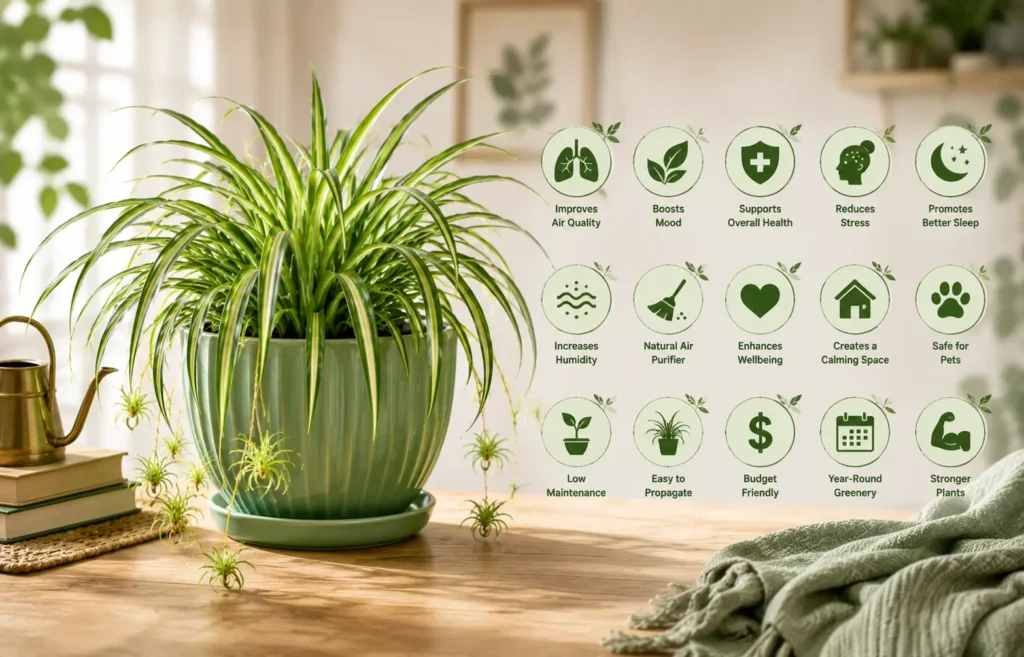
Why the pups matter more than the marketing copy suggests Most spider plant round-ups lead with air purification because it’s…
Having trouble growing plants in low-light spaces? Explore easy-care indoor plants, expert houseplant care guides, and practical tips to keep your plants healthy and thriving year-round.
Most plant care advice assumes you have a sun-drenched greenhouse and hours to fuss over every leaf. We don't think that's realistic. Indoor Plant Corner is built for apartments, offices, and everyday homes where light is limited, schedules are busy, and plants still need to survive. Every guide here is tested against those real conditions, not ideal ones.
Β
Our guides account for average apartment light, dry winter heating, and the watering habits of people with actual schedules β not a perfectly climate-controlled greenhouse.
Every care recommendation is checked against horticultural science and trusted references like the ASPCA's plant safety database, and updated as we learn more.
Plant care shouldn't require a botany degree. We explain the "why" behind each tip in plain language so you actually remember it.
Rather than covering hundreds of obscure species, we go deep on the handful of houseplants β Snake Plant, Pothos, Peace Lily, Spider Plant β that most beginners actually bring home.
Indoor plants do more than fill an empty corner. Here's what they genuinely add to a space β no exaggerated claims, just what they're actually good for.
A Calmer, More Lived-In Space
Greenery softens hard edges and empty corners in a way furniture alone can't. Many people also find that caring for a plant β checking on it, watching it grow β adds a small, grounding routine to the day.
Added Humidity for Dry Rooms
Through a natural process called transpiration, plants release moisture into the air. It's a modest effect, but it can take the edge off dry winter air from central heating, especially when a few plants are grouped together.
Instant, Affordable DΓ©cor
A single Snake Plant in a corner or a trailing Pothos on a shelf changes the feel of a room more than almost any other $15β20 purchase. Different leaf shapes and heights let you "style" a space the way a designer would with furniture.
A Low-Pressure Way to Learn Something New
Starting with a forgiving plant like a Pothos or Snake Plant is one of the easiest hobbies to pick up β no special equipment, no steep learning curve, and visible progress within weeks.
Something to Share
Plants like Pothos and Spider Plant produce cuttings or baby plants you can propagate for free, making it easy β and genuinely fun β to share plants with friends or expand your own collection without buying more.
At Indoor Plant Corner, our mission is simple:
To make indoor plant Corner easy, practical, and accessible for everyone.
We believe every home deserves a touch of nature. Through expert guides, plant care tutorials, and actionable advice, we help plant lovers build healthier, greener living spaces.
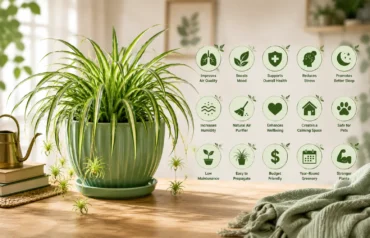
Why the pups matter more than the marketing copy suggests Most spider plant round-ups lead with air purification because it’s…
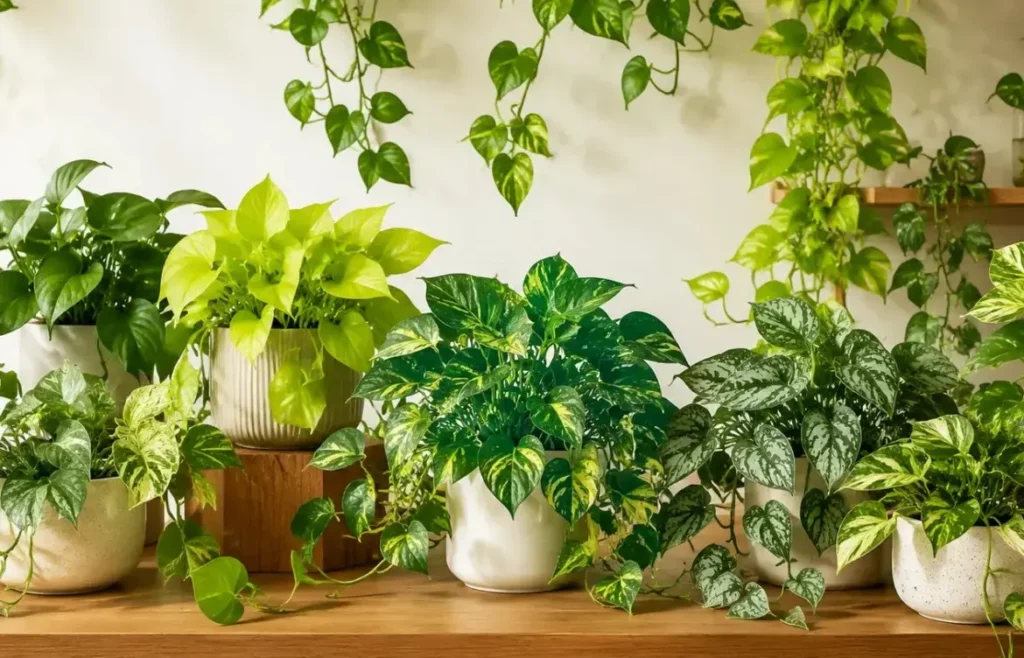
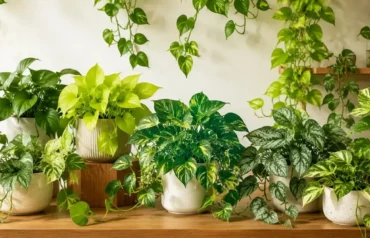
If you’re searching for an easy-to-grow houseplant that adds beauty and greenery to your indoor space, Pothos plants are among…
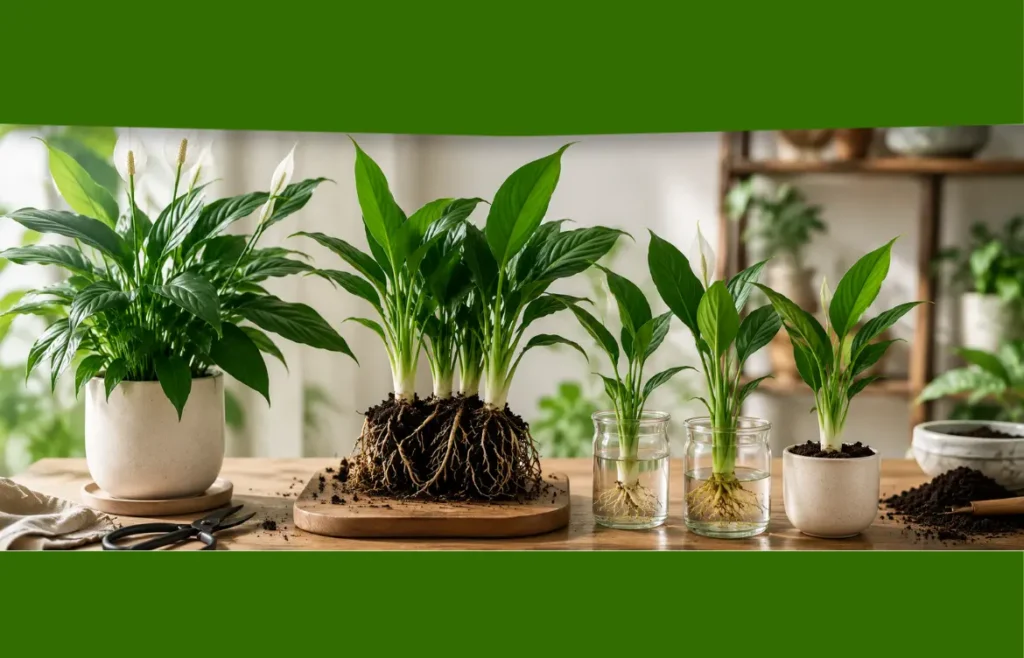
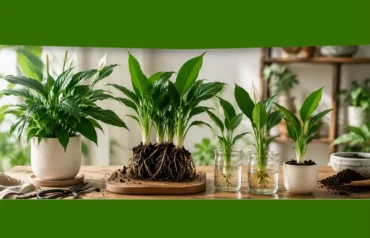
The Peace Lily (Spathiphyllum) is one of the most popular indoor plants, loved for its elegant white blooms, glossy green…
Snake Plants, Pothos, ZZ Plants, Spider Plants, and Peace Lilies are the most forgiving houseplants for beginners. They tolerate irregular watering, adapt to average home light, and give clear warning signs (like drooping leaves) when they need attention. Any of these five is a safe starting point if you're new to plant care.
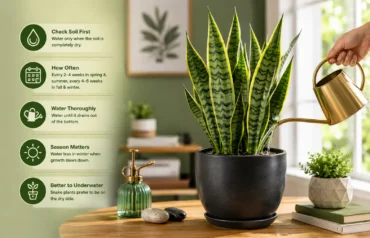
Rather than following a fixed schedule, use the finger test: push your finger 1β2 inches into the soil, and water only if it feels dry at that depth. Most houseplants need water roughly once a week in spring and summer, and every 2β3 weeks in fall and winter. When unsure, wait a bit longer, underwatering is easier to recover from than overwatering.
Snake Plants, ZZ Plants, Peace Lilies, Chinese Evergreen, and Cast Iron Plant all tolerate dim rooms and north-facing windows well. "Low light" still means some indirect brightness, not total darkness. If leaves look pale or stretched over time, the plant likely needs a bit more light than it's getting.
Yes, tall plants like Snake Plants add height and structure to empty corners, while trailing plants like Pothos soften shelves and hanging planters. Grouping different shapes and sizes creates a layered, designer-style look. Beyond appearance, plants add texture and a lived-in warmth that furniture alone can't provide.