

ZZ Plant Propagation Guide
Propagating a ZZ plant is a simple, low-cost way to create new plants for your own home or to share with others. Because the plant grows from thick, water-storing rhizomes, it can be slower to root than many other houseplants, but the process itself is easy and requires very little equipment. This guide covers both main propagation methods: leaf cuttings and division.
Best Time to Propagate
Spring and early summer are the best times to propagate a ZZ plant, since the plant is entering its active growth period and can direct more energy into forming new roots. Propagating in the middle of winter, when the plant is naturally dormant, usually leads to much slower or unsuccessful rooting.
Propagation Methods
Leaf Cuttings
This is the most common and beginner-friendly way to propagate a ZZ plant, though it is also the slowest, often taking several months to produce a visible new plant.
- Select a healthy, mature leaflet with no yellowing or damage
- Cut the leaflet cleanly at its base using sterilized scissors or a knife
- Let the cut end air-dry for a few hours to form a callus, which helps prevent rot
- Insert the callused end into a well-draining rooting mix, or place it in a small container of water
- Keep the cutting in bright, indirect light while it roots
Division
Division is faster than leaf cuttings because each divided section already has an established rhizome and root system attached.
- Remove the parent plant from its pot and gently loosen the soil from the roots
- Identify a natural separation point where a rhizome, along with its stems and roots, can be separated from the main clump
- Use a clean, sharp knife to divide the rhizome if it does not separate easily by hand
- Pot each division separately in fresh, well-draining potting mix
- Water lightly at first, then let the soil dry between waterings as usual
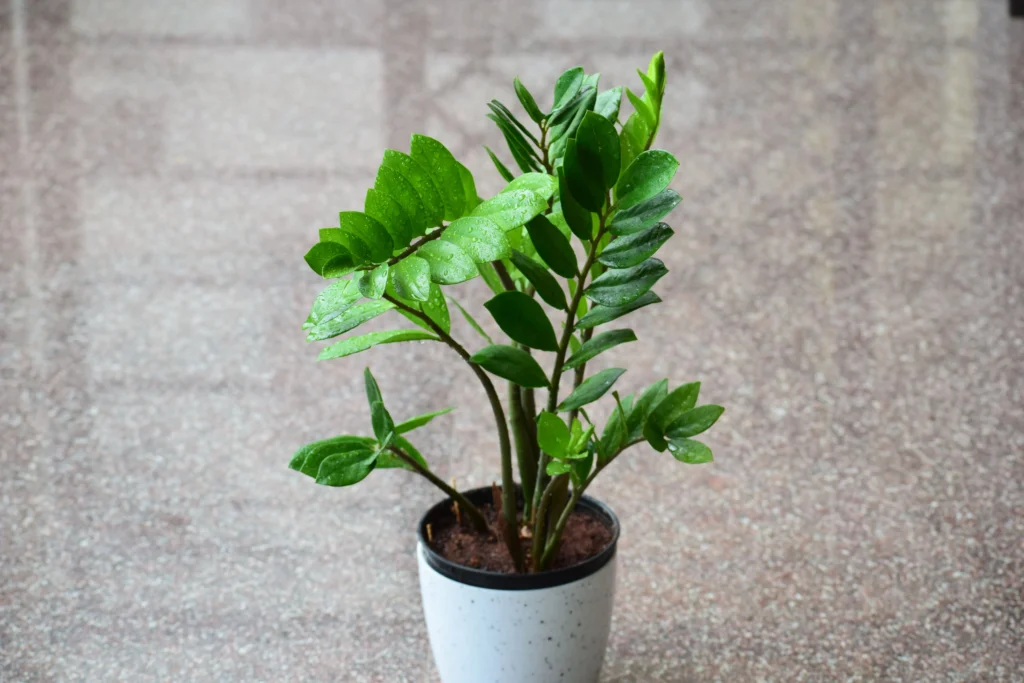
Step-by-Step: Rooting a Leaf Cutting in Water
Rooting in water lets you watch root development directly, which many first-time propagators find reassuring, though it does mean transplanting the cutting into soil later on.
- Step 1: Place the callused leaflet in a small glass with just enough room-temperature water to cover the cut end.
- Step 2: Set the glass in bright, indirect light, away from direct sun.
- Step 3: Change the water every five to seven days to keep it fresh and reduce the risk of rot.
- Step 4: Once roots reach about two to three centimeters long, which can take two to three months, transplant into potting mix.
- Step 5: Keep the newly potted cutting in consistently moist, not soggy, soil for the first few weeks while it adjusts.
Aftercare for New Cuttings and Divisions
- Light: Bright, indirect light supports faster root and shoot development without the risk of scorching a fragile new cutting.
- Watering: Keep the rooting medium lightly moist, not wet, until roots are established, then shift to the drier routine mature ZZ plants prefer.
- Patience: ZZ plant propagation is naturally slow. It is common to see no visible change for six to eight weeks even when the cutting is rooting successfully underground.
- Signs of success: A small rhizome swelling at the base of a leaf cutting, or new leaflet growth on a division, both confirm that rooting has taken hold.
Choosing the Right Rooting Medium
The medium a cutting roots in has a direct effect on how reliably it succeeds, since a ZZ plant cutting is vulnerable to rot before it has roots to draw up moisture on its own.
Soil-Based Rooting Mix
A light, fast-draining mix works best for rooting, since standard potting soil alone often retains too much moisture around a fresh cut. A blend of roughly equal parts potting soil and perlite, or a mix marketed for succulents and cacti, drains quickly enough to reduce rot risk while still holding enough moisture to support new root growth.
Water Rooting
Plain room-temperature water is sufficient for rooting a leaf cutting, and no additives or rooting hormone are required, although a rooting hormone can modestly speed up the process for some growers. The main requirement with water rooting is consistency: change the water regularly and keep the container in a stable, bright spot rather than moving it around, since disturbing the cutting can slow root development.
Troubleshooting Propagation Problems
- Cutting turns soft or black: This usually means rot from too much moisture. Discard the cutting and start again with a fresh callused cutting in a drier rooting medium.
- No roots after several months: Some delay is normal, but consistently low light or cold room temperatures can slow rooting further. Move the cutting to a warmer, brighter spot.
- Division wilts after replanting: A brief period of wilting is normal as a division adjusts to losing part of its root system. Keep it out of direct sun and maintain light, even moisture until it recovers.
Frequently Asked Questions
What is the fastest way to propagate a ZZ plant?
Division is the fastest method, since each separated section already has its own roots and rhizome and can begin growing immediately after replanting. Leaf cuttings take much longer because they must form an entirely new rhizome from scratch.
Should I propagate ZZ plant cuttings in water or soil?
Both work well. Water rooting lets you monitor root growth visually, while soil rooting skips the step of transplanting later. Soil rooting can also reduce the risk of the cutting rotting from prolonged water exposure.
How long does it take for ZZ plant roots to form?
Leaf cuttings typically take two to three months to produce visible roots, and it can take even longer, sometimes up to a year, before a new rhizome produces its first full leaf stem above the soil.
Can I propagate a ZZ plant from a single leaflet instead of a whole leaf stem?
Yes, individual leaflets can root and eventually form a new plant, though this tends to be slower than propagating a full leaf stem, which already has more stored energy to support new growth.
When will a new ZZ plant cutting start producing visible growth?
Once a cutting has rooted, it can still take several more months before a new leaf stem emerges above the soil. This slow pace is normal for the species and is not a sign that propagation has failed.