
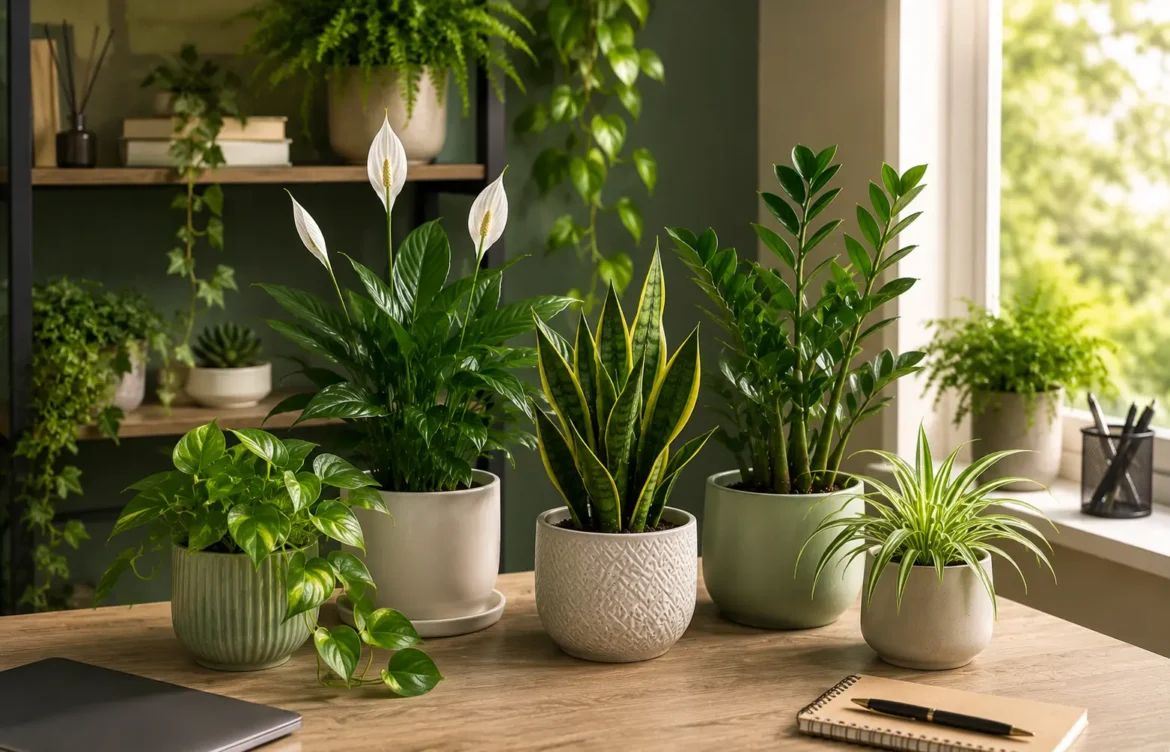
Air-Purifying Low Light Plants for Home or Office
Many low light houseplants are marketed as natural air purifiers, and while there is real research behind the idea, it is worth understanding what that research actually found before choosing plants for this reason alone. This guide highlights low light plants most commonly associated with air-purifying claims and gives an honest picture of what they can and cannot do for indoor air quality.
What the Research Actually Shows
The air-purifying reputation of houseplants traces back largely to a NASA Clean Air Study from the late 1980s, which tested how certain plants removed pollutants like formaldehyde and benzene from sealed laboratory chambers. It is important to note that this study was conducted in small, sealed environments very different from a typical home or office, and later research has found that the number of plants needed to meaningfully affect air quality in a real room would be far higher than most people keep indoors. Houseplants can offer a modest air-quality benefit alongside other advantages, but they should not be relied on as a substitute for ventilation or air filtration.
Best Low Light Plants Linked to Air-Purifying Benefits
Snake Plant
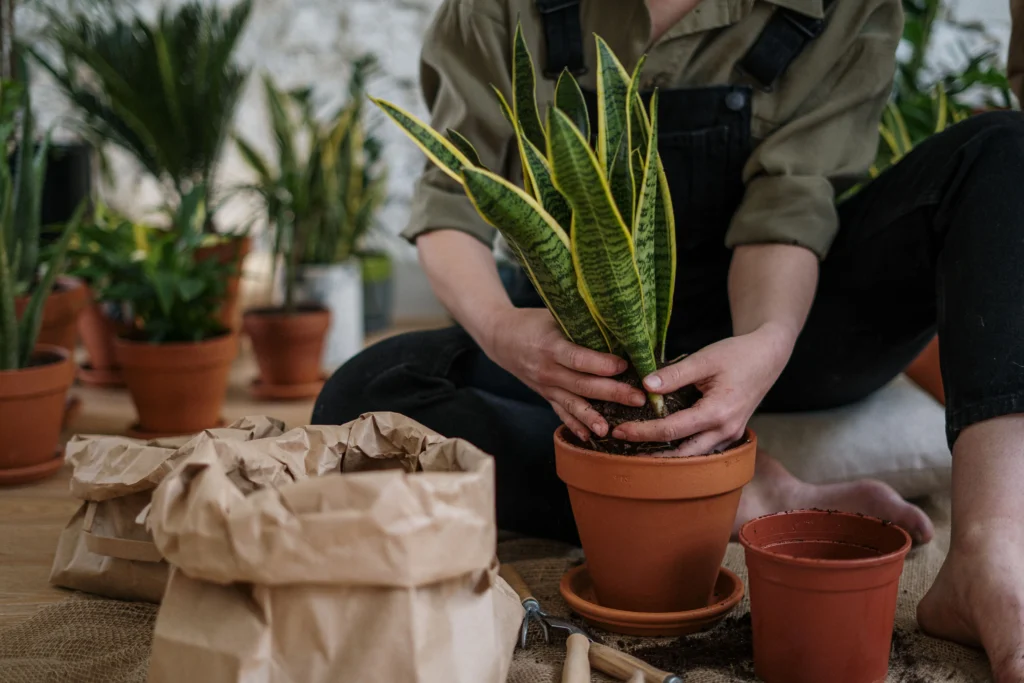
Snake plant was one of the top performers in the original NASA study and has the added benefit of releasing oxygen at night, unlike most plants, making it a popular pick for bedrooms.
Pothos
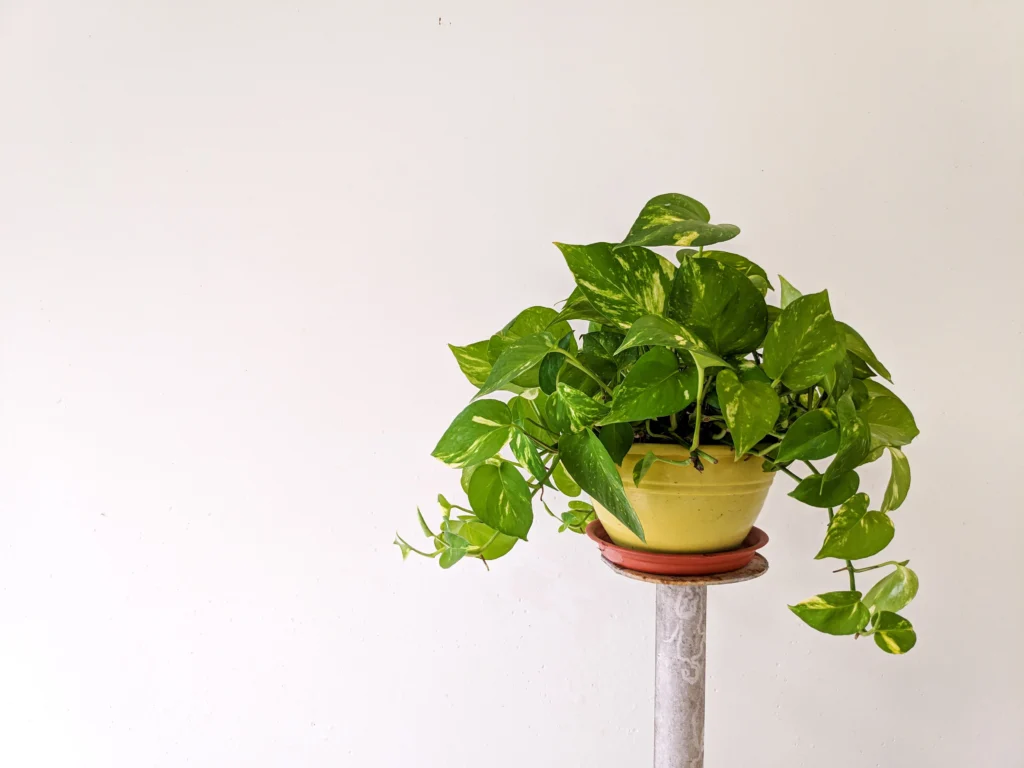
Pothos was also tested favorably in early air-quality research and is easy to maintain in low light, making it one of the most commonly recommended plants for this purpose.
Peace Lily
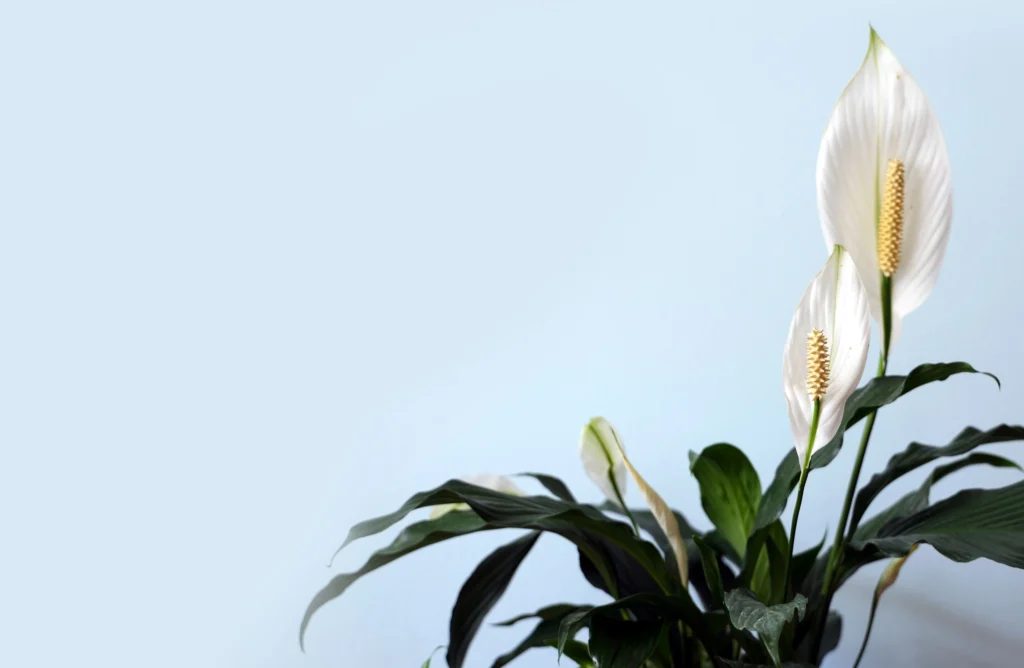
Peace lily appeared prominently in the original study results and tolerates low light well, though it prefers slightly higher humidity than some other options on this list.
ZZ Plant
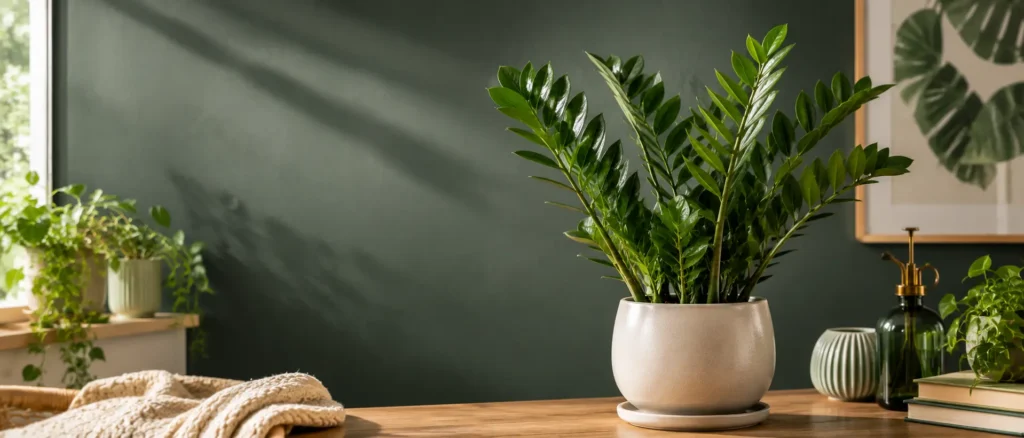
ZZ plant has been studied for its ability to help reduce certain volatile organic compounds in the air, and its low water needs make it easy to maintain alongside this benefit.
Chinese Evergreen
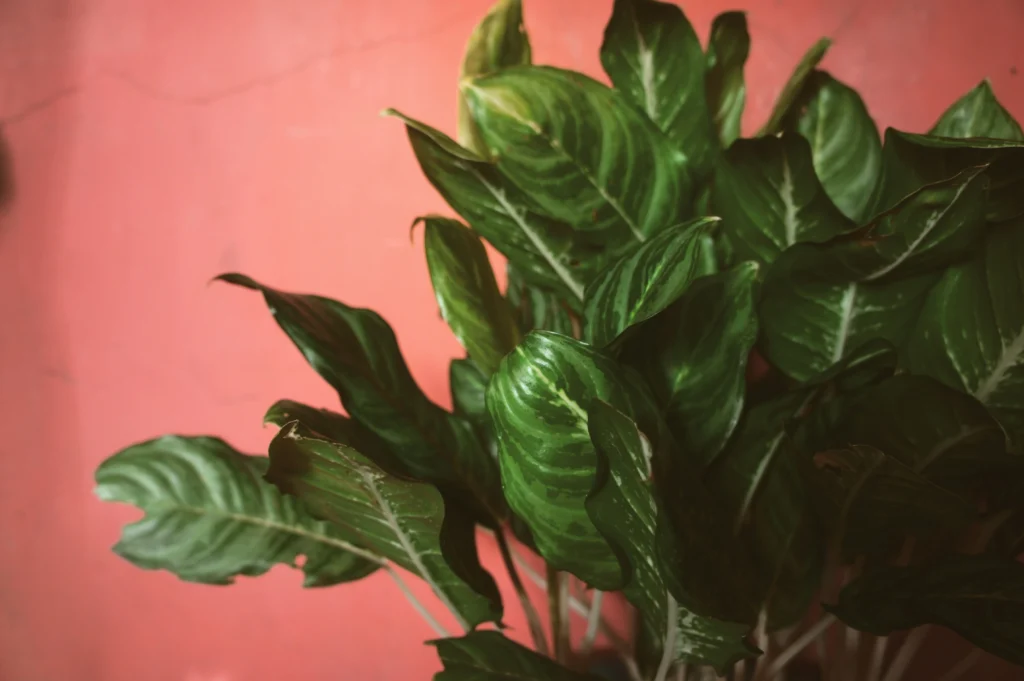
Chinese evergreen was another strong performer in early air-quality testing and tolerates the same low light conditions that make it a popular choice for dim rooms.
Getting the Most from Air-Purifying Plants
- Keep plants healthy: A stressed or dying plant offers little benefit, so consistent basic care matters more than which specific plant you choose.
- Use several plants together: A single small plant will not noticeably change a room’s air quality; grouping a few plants provides more benefit than one alone.
- Pair with good ventilation: Opening windows when possible and using standard air filtration remain the most effective ways to improve indoor air quality.
- Don’t overwater in pursuit of health: Overwatering to keep a plant healthier often backfires, leading to root rot rather than a more effective air purifier.
Frequently Asked Questions
How many plants would I need for a noticeable air-purifying effect?
Researchers who followed up on the original NASA study have suggested it would take a significant number of plants, often estimated in the dozens per typical room, to noticeably affect air quality the way an air purifier or good ventilation would. A few healthy plants are a nice addition to a space but should not be relied on as your main air-quality solution.
What is the best air-purifying plant for a bedroom?
Snake plant is frequently recommended for bedrooms because it continues releasing oxygen overnight, unlike most plants, which mainly do so during daylight hours. It is also very low maintenance, which suits a room people don’t tend to check on throughout the day.
Does keeping just one plant in a room actually make a difference?
A single plant is unlikely to produce a measurable change in air quality on its own, based on how the research scales. That said, houseplants offer other genuine benefits, such as improved mood and a more pleasant living space, even when the air-purifying effect is modest.
Are air-purifying plants safe for people with allergies?
Most of the plants on this list are not major allergen sources, though soil can sometimes harbor mold if consistently overwatered. Keeping soil from staying soggy and wiping dust off leaves periodically helps minimize any allergy-related concerns.
Does a plant’s watering or light needs affect its air-purifying ability?
A plant that is under-lit, overwatered, or otherwise stressed will not perform as well in any capacity, including any modest air-quality benefit, since a struggling plant has fewer healthy leaves actively processing air. Meeting a plant’s basic light and water needs matters more than choosing one species over another.