Low Light Indoor Plants
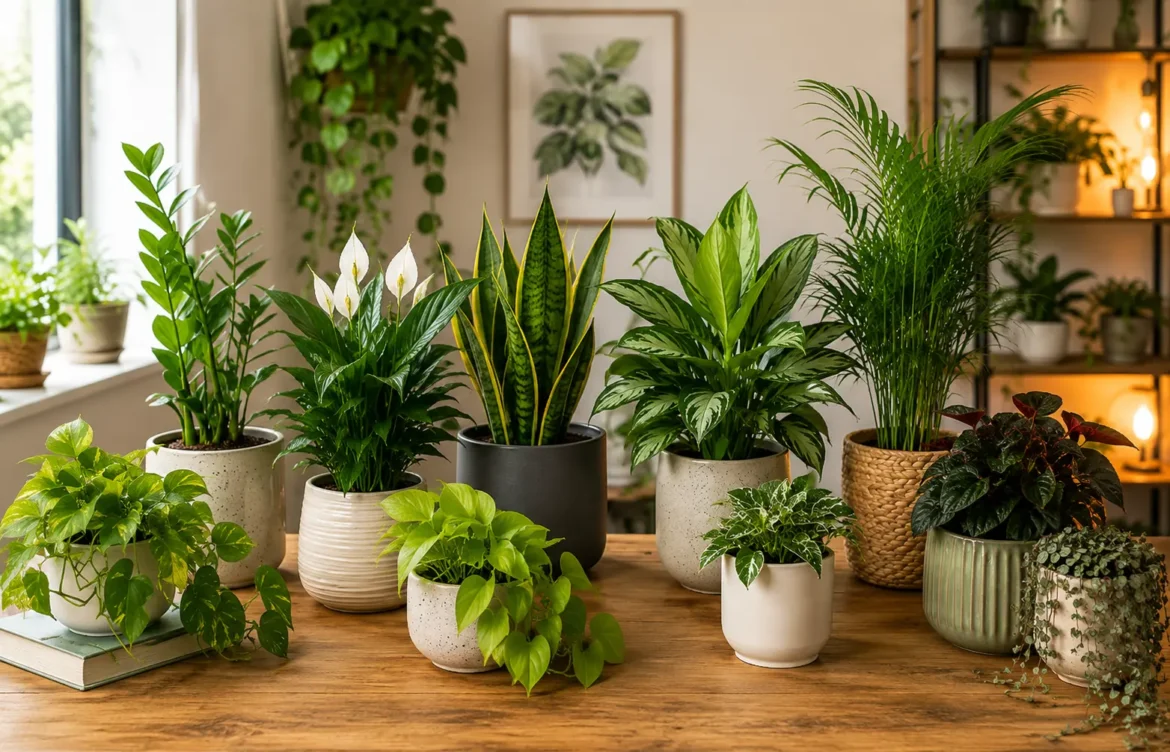
This is a deeper, more complete list than a short overview page can offer 20 plants that genuinely tolerate low light, grouped by type, so you can find one that fits both your space and the look you want. A quick note before the list: a few plants that show up constantly on “low light” lists elsewhere don’t actually belong there, and that’s covered below too.
A Quick Note on Accuracy
Not every plant commonly labeled “low light” actually thrives in it. Succulents, air plants, and Croton, for example, are frequently included on generic low light lists despite needing bright light to stay healthy long-term; they may survive briefly in a dim room, but they won’t do well there. Every plant on this list has been selected because it genuinely tolerates low light, not just survives it for a few months before declining.
Easiest for Beginners
- Snake Plant — tolerates the widest range of light and watering habits of any plant on this list. Full guide: Snake Plant Care Guide.
- Pothos — fast-growing and very forgiving of inconsistent care. Full guide: Pothos care guide.
- ZZ Plant — glossy, upright leaves and extremely tolerant of missed waterings.
- Cast Iron Plant — arguably the most shade-tolerant plant on this entire list. Full guide: Cast Iron Plant Care.
Flowering Options
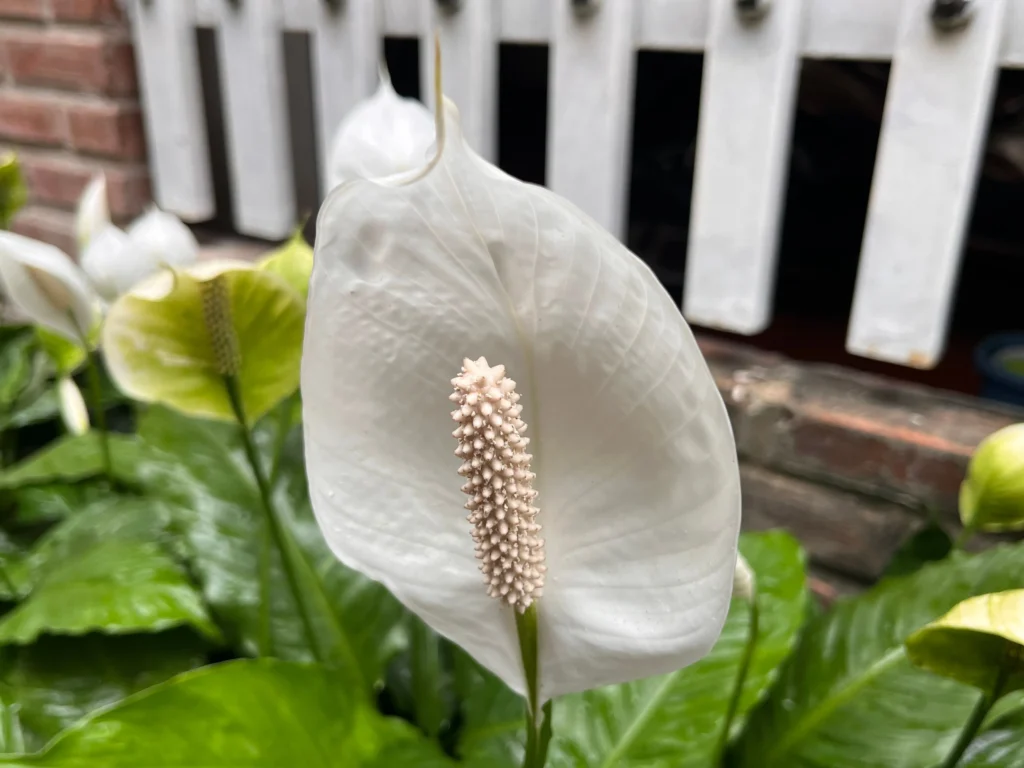
- Peace Lily — one of the only plants here that reliably flowers in low to medium light. Full guide: Peace Lily care guide.
- Anthurium — produces long-lasting, waxy blooms; tolerates lower light than most flowering houseplants, though it does best with at least some bright, indirect light.
Trailing and Hanging Options
- Spider Plant — trails nicely once mature and is pet-safe. Full guide: Spider Plant care guide.
- Heartleaf Philodendron — similar to Pothos in care and appearance, with a slightly more delicate leaf.
- Swiss Cheese Vine (Monstera adansonii) — a smaller, trailing relative of the well-known Monstera.
- English Ivy — classic trailing foliage, though it prefers cooler rooms than most plants on this list.
For more on caring for these in a hanging setup specifically, see the Hanging Indoor Plants guide.
Plants With Patterned or Textured Leaves
- Chinese Evergreen (Aglaonema) — comes in many leaf patterns and colors, and tolerates low light better than most patterned plants.
- Calathea — known for bold, patterned leaves; prefers higher humidity than many other plants on this list.
- Prayer Plant (Maranta) — leaves fold upward at night, a distinctive trait alongside its patterned foliage.
- Peperomia — a large plant family with many compact, textured-leaf varieties suited to shelves and small spaces.
- Arrowhead Plant (Syngonium) — arrow-shaped leaves that shift in color and shape as the plant matures.
Larger Statement Plants
- Corn Plant (Dracaena fragrans) — a tall, tree-like option with strappy leaves; tolerates lower light better than many other Dracaena varieties.
- Rubber Plant — large, glossy leaves; tolerates lower light but grows fuller and faster with brighter indirect light.
- Dumb Cane (Dieffenbachia) — bold, patterned foliage on a larger, bushier plant than most on this list.
- Parlor Palm — a compact palm that tolerates lower light better than most palm varieties.
- Boston Fern — full, feathery fronds; wants more consistent moisture and humidity than most of the other plants here.
Care Difficulty at a Glance
If you’re choosing between several plants on this list, it helps to know that difficulty varies more than the “low light” label alone suggests. Snake Plant, ZZ Plant, Cast Iron Plant, and Pothos are the most forgiving of inconsistent watering and are good picks if you want minimal upkeep. Calathea, Boston Fern, and Prayer Plant sit at the more demanding end of this list, since they prefer steadier moisture and higher humidity than a typical low light plant, and will show stress, like crisping leaf edges, more quickly if neglected. Most of the remaining plants on this list fall somewhere in between, tolerating occasional inconsistency without needing the closer attention that the humidity-loving group requires.
How to Use This List
Rather than picking based on appearance alone, start by matching a plant’s group above to what you actually need: a beginner-friendly option if you’re new to plants, a trailing plant for a hanging spot, or a larger statement plant for an empty corner. Several of these link to full, dedicated care guides for more detail; the rest have similar enough care needs to the plants already covered on this site that a short description here is enough to get started.
FAQs
Which plant on this list is the easiest for someone who has killed every plant they’ve owned?
Snake Plant, ZZ Plant, and Cast Iron Plant are the three most forgiving options here, all tolerating significant gaps in watering and a wide range of light levels without much complaint. Any of the three is a reasonable starting point for rebuilding confidence.
Do all 20 of these plants need the same watering schedule?
No, watering needs vary meaningfully across this list. Succulent-adjacent plants like Snake Plant and ZZ Plant want to dry out completely between waterings, while plants like Boston Fern and Calathea prefer more consistently moist soil and will suffer if allowed to dry out fully.
Can I keep several of these plants together in the same room?
Yes, as long as their light needs are reasonably similar. Grouping plants with different watering needs together is fine as long as you water each one individually based on its own soil, rather than watering the whole group on the same schedule.
Which of these plants are safe to keep around pets?
Spider Plant, Parlor Palm, and Peperomia are generally considered non-toxic, while several others on this list, including Pothos, Peace Lily, Dumb Cane, and Snake Plant, are toxic or mildly toxic if eaten. See the Pet Friendly Indoor Plants guide for a fuller list and general safety tips.
Why isn’t a plant like Aloe Vera or a succulent on this low light list?
Succulents, including Aloe Vera, need bright light to stay healthy and compact long-term. They may survive for a while in low light, but they typically grow weak, stretched, and pale under those conditions, which is why they were left off a list meant to reflect plants that genuinely do well, not just tolerate low light briefly.