Spider Plant Disadvantages to Know Before You Buy
Spider Plants is consistently recommended as an easy beginner plant, and for good reason, but its reputation glosses over a few real downsides. Here’s a balanced, honest look at where it falls short.
Prone to Brown Tips, More Than Many Other Easy Plants
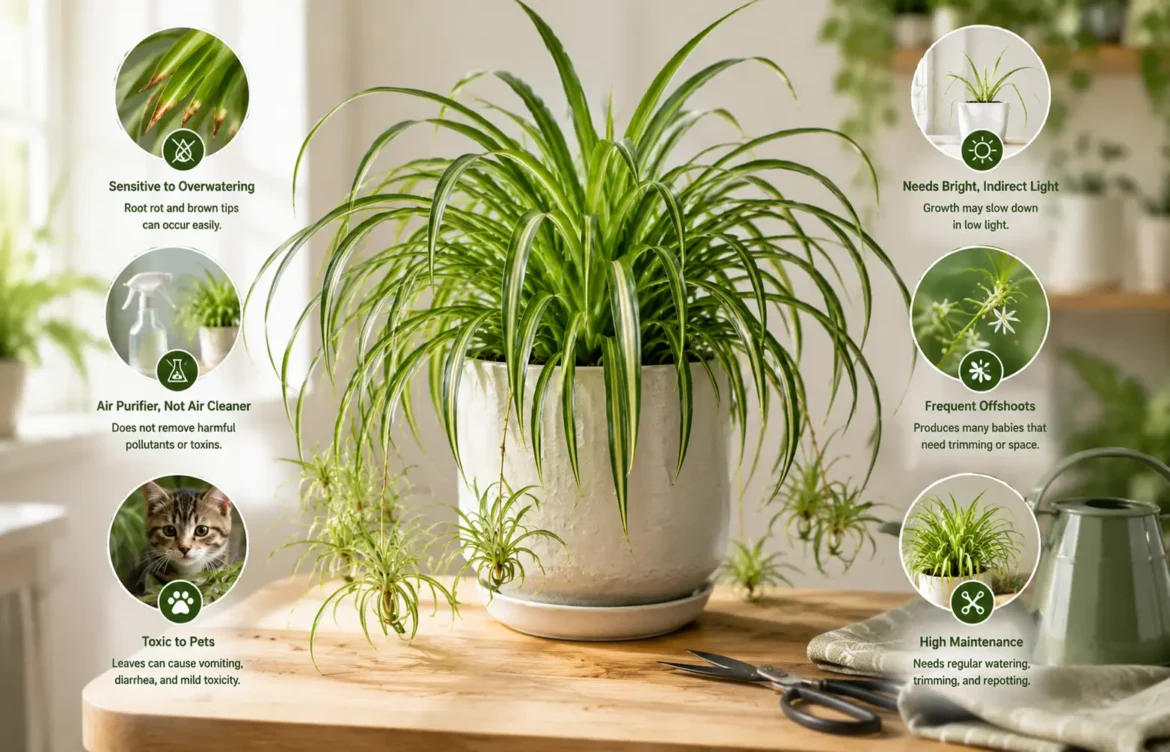
This is the most common complaint from Spider Plant owners. The plant is notably sensitive to fluoride and chlorine in tap water, and brown, crispy tips show up more readily on this plant than on many other common houseplants, even with otherwise reasonable care. It’s rarely a serious health issue, but it does mean a Spider Plant is less likely to look consistently pristine than some of the other plants on this site.
Less Drought-Tolerant Than Its Reputation Suggests
Spider Plant often gets grouped with genuinely neglect-tolerant plants like Snake Plant, but the comparison doesn’t fully hold up. It prefers more consistent soil moisture and will decline noticeably faster than a Snake Plant if watering is skipped for an extended period. If you’re specifically looking for a plant that tolerates long stretches of being forgotten, Spider Plant is a step down from the truly drought-hardy options.
Can Look Messy Without Some Grooming
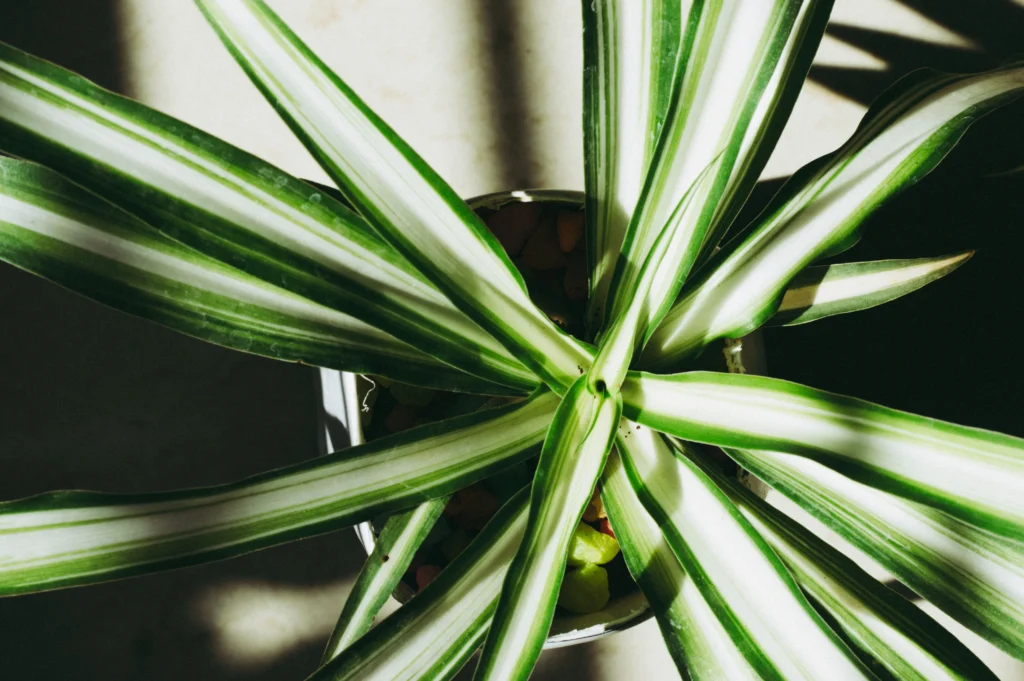
Left entirely alone, a mature Spider Plant can end up with a tangle of long plantlet stems, some browning leaf tips, and an overall shaggy appearance rather than the neat, tidy look it has when young. Keeping it looking its best requires occasionally trimming damaged leaves and either propagating or removing excess plantlet stems, which is more upkeep than a plant like Snake Plant, which holds its shape with essentially no grooming at all.
Grows Fast Enough to Need More Frequent Repotting
Compared to slow growers like Snake Plant or Cast Iron Plant, a Spider Plant fills out its pot relatively quickly and often needs repotting every year or two rather than every three to five years. This isn’t a major drawback, but it is more ongoing maintenance than some of the other plants commonly recommended alongside it for beginners.
Plantlets Can Become More Than You Bargained For
The same trait that makes Spider Plant easy to propagate can become a minor nuisance if left unmanaged. A single mature plant can produce far more plantlets than most people actually want to root and grow, and if left attached and untrimmed, the plant can end up looking overcrowded and tangled rather than full and attractive.
Solid Green Varieties Are Less Visually Distinct
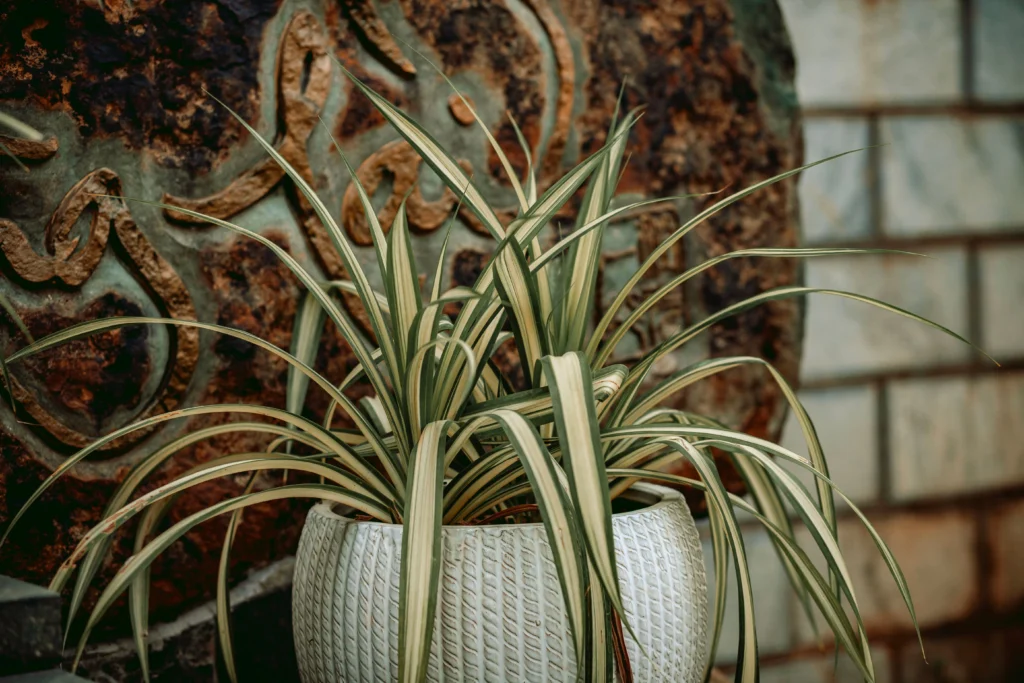
The classic, most commonly sold Spider Plant has white-striped variegated leaves, but solid green varieties exist and are considered less visually interesting by many buyers, since they lack the contrast that makes the plant recognizable at a glance. If you end up with an unlabeled solid green variety, it may not have quite the same visual appeal that drew you to the plant in the first place.
Not the Best Choice for a Room With Curious Cats and Delicate Decor
While Spider Plant is safe for cats, some cats are unusually drawn to chewing on it, sometimes described as having a mild catnip-like effect. A cat that repeatedly nibbles or bats at trailing stems can leave a Spider Plant looking worn down or damaged faster than a less appealing plant would, even though there’s no toxicity risk involved.
Standard Green-and-White Varieties Are Common, Which Can Feel Unoriginal
Because the classic variegated Spider Plant is so widely available and inexpensive, it’s a common choice that doesn’t stand out much in a home already full of houseplants. Anyone looking for a more distinctive or conversation-starting addition to a plant collection may find it a less exciting pick compared to a rarer or more unusual variety, even though its practical care benefits remain the same.
Can Be Susceptible to Spider Mites, Despite the Name
The name has nothing to do with the pest, but it’s a common source of confusion. Spider Plant can occasionally attract spider mites, particularly in dry indoor air during winter, which show up as fine webbing and small speckled damage on the leaves. It’s not an especially pest-prone plant overall, but it’s worth checking periodically rather than assuming it’s immune simply because of the coincidental name.
Quick Reference: Symptom → Cause → Fix
| Symptom | Likely Cause | Fix |
| Brown, crispy tips | Tap water minerals/fluoride, low humidity | Switch to filtered water, raise humidity |
| Yellow, mushy leaves | Overwatering / root rot | Let soil dry between waterings, check drainage |
| Pale, stretched leaves | Too little light | Move a few feet closer to a bright window |
| Fine webbing, sticky spots | Spider mites | Wipe leaves, treat with neem oil |
| Roots circling pot or poking through holes | Root-bound | Repot into a slightly larger container |
Spider Plant vs. Other “Easy” Houseplants
| Plant | Growth Speed | Light Tolerance | Pet Safety | Maintenance Level |
| Spider Plant | Fast | Medium (needs some brightness) | Safe (non-toxic) | Moderate |
| ZZ Plant | Slow | Very tolerant of low light | Toxic | Very low |
| Snake Plant | Slow | Very tolerant of low light | Toxic | Very low |
| Pothos | Fast | Medium | Toxic | Low |
FAQs
Is Spider Plant actually harder to keep looking nice than Snake Plant, even though both are considered easy?
In terms of keeping the plant alive, both are genuinely easy. In terms of keeping it looking consistently tidy, Spider Plant takes more effort, since it’s more prone to browning tips and needs occasional trimming and grooming that a Snake Plant simply doesn’t require.
Can too many plantlets actually harm the parent plant?
Not directly in terms of health, but a large number of plantlet stems does divert some of the plant’s energy away from the main foliage, and a heavily loaded plant can look strained or top-heavy. Removing some plantlets, either to propagate or discard, can help the parent plant look fuller and more balanced.
Is it a downside that Spider Plant needs more frequent watering than Snake Plant?
It depends on what you’re looking for. For someone who travels often or prefers minimal maintenance, yes, this is a real downside compared to a plant that tolerates weeks of neglect. For someone who enjoys a more regular watering routine, it’s not necessarily a drawback, just a different care rhythm.
Does the tendency toward brown tips mean the plant is unhealthy?
No, brown tips are typically a cosmetic issue related to water quality or humidity, not a sign of a serious underlying health problem. A Spider Plant with a few brown tips can otherwise be perfectly healthy and continue growing and producing plantlets normally.
Is Spider Plant a bad choice if I want a plant that looks the same all year with no upkeep?
It’s not the ideal choice for that specific goal. Plants like Snake Plant or Cast Iron Plant hold a consistent, tidy appearance with essentially no grooming, while Spider Plant’s fast growth and tendency to develop brown tips mean it changes more noticeably over time and benefits from occasional trimming to keep it looking its best.