
Repotting a Snake Plant: When and How?
Snake Plants don’t need to be repotted often, and repotting too soon can actually slow the plant down rather than help it. This guide covers the clear signs it’s actually time, plus the full step-by-step process, the tools you’ll need, and what to expect afterward.
Signs It’s Time to Repot
Roots circling the bottom or pushing out of the drainage holes, a clear sign the current pot has run out of room. The plant tips over easily; a dense root system can outgrow the pot’s base, making the plant top-heavy and unstable. Water runs straight through without being absorbed; this usually means the pot is more root than soil at this point. It’s been 3 to 5 years since the last repot; even without other obvious signs, this is a reasonable point to check the roots. A Snake Plant that isn’t showing any of these signs does not need repotting, even if it’s been sitting in the same pot for a couple of years; this plant actually grows well when slightly snug in its pot.
Tools and Supplies You’ll Need
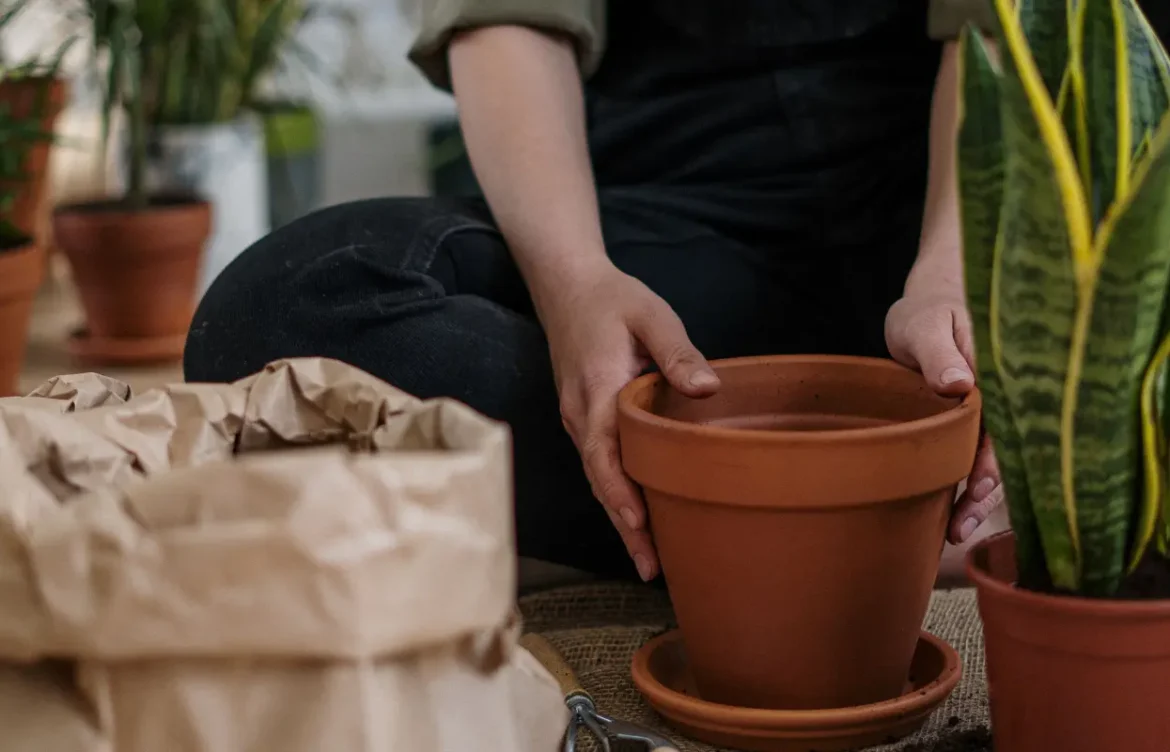
A new pot, 1 to 2 inches larger in diameter than the current one, with at least one drainage hole Fresh, fast-draining potting mix, ideally a cactus or succulent blend A clean, sharp knife or shears, in case any roots need trimming Old newspaper or a towel to protect your work surface, since this can get a little messy
Choosing a Pot and Soil
Pick a new pot only 1 to 2 inches larger in diameter than the current one. A much bigger jump in size holds more soil than the roots can use, which stays wet for longer and raises the risk of root rot. Always choose a pot with at least one drainage hole. For soil, use a fast-draining mix made for succulents or cacti, or mix regular potting soil with extra perlite or coarse sand to improve drainage.
Best Time of Year to Repot
Spring and summer are the best times to repot, since the plant is naturally more active and recovers from the disturbance faster. Repotting in late fall or winter isn’t harmful, but the plant will likely take longer to settle in and resume growth, simply because it’s naturally slower during that time of year regardless of pot size.
Step-by-Step: How to Repot
Water the plant a day or two before repotting, so the roots come out of the pot more easily. Gently remove the plant from its current pot, tipping it on its side rather than pulling straight up. Loosen the outer roots slightly with your fingers, and trim away any roots that are dark, soft, or mushy. Add a layer of fresh potting mix to the bottom of the new pot, then set the plant in and fill in around it, keeping the base at the same soil depth as before. Press the soil gently to remove large air pockets, without packing it down too firmly. Wait a few days before the first watering to let any disturbed roots settle.
What to Expect in the Weeks After Repotting
It’s common for a Snake Plant to show little to no visible change for several weeks after repotting, since its energy is going into establishing roots in the new soil rather than producing new leaves. Some leaves may look slightly less upright than usual during this adjustment period. This is normal and typically resolves on its own; it’s only a concern if leaves start turning soft or yellow rather than just looking a little less firm.
Signs a Repot Went Well
A successful repot usually shows itself through absence rather than obvious progress: the plant holds its color, doesn’t drop leaves, and simply continues on as before within a few weeks. New growth appearing within the first month is a good sign but isn’t required to confirm things went smoothly. If several months pass with no new growth at all once the plant would normally be growing (spring or summer), it’s worth checking that the pot wasn’t sized up too aggressively, which can leave the roots sitting in more damp soil than they can use.
Repotting a Large, Mature Plant
Older Snake Plants that have gone years without repotting can develop a surprisingly dense, tightly packed root and rhizome system, and removing them from their pot can take real effort. If the plant won’t budge by tipping and gently pulling, try running a thin knife around the inside edge of the pot to loosen the soil from the sides first. For a plant that’s genuinely stuck, it’s sometimes easier to break or cut away a plastic pot than to force the roots out and risk damaging them.
Common Repotting Mistakes
Sizing up too aggressively, jumping several pot sizes at once leaves too much soil around too few roots, which stays wet far longer than the plant can handle. Watering immediately after repotting, freshly disturbed or trimmed roots are more vulnerable to rot right after the move; a short waiting period is safer. Reusing old, compacted soil- soil that has broken down over years drains poorly even in a bigger pot, so it’s worth replacing rather than reusing.
FAQs
Can I divide my Snake Plant while I’m repotting it?
Yes, repotting is actually the easiest time to divide a plant, since the roots are already exposed. If you want to split it into multiple plants rather than just moving it to a bigger pot, see the Snake Plant Propagation guide for the full division steps.
Is it normal for a Snake Plant to look a little wilted after repotting?
A slightly less upright appearance for a few days is common and usually resolves on its own as the roots settle into the new soil. If leaves are turning soft or yellow rather than just looking slightly less firm, check for signs of overwatering instead.
Should I repot a newly bought Snake Plant right away?
Not necessarily. If it looks healthy and isn’t rootbound in its nursery pot, it’s fine to leave it for several months and let it adjust to your home first, rather than repotting immediately after bringing it home.
Can I reuse the same pot after just refreshing the soil?
Yes, if the plant isn’t actually rootbound and you just want to refresh old, compacted soil, you can clean out the pot, add fresh soil, and replant it in the same container rather than sizing up.
What’s the risk of repotting into a pot that’s too big?
A pot that’s much larger than the root ball holds excess soil that stays damp for far longer after watering, since there aren’t enough roots to absorb the moisture. This significantly raises the risk of root rot, which is why a small size increase is safer than a big jump.