
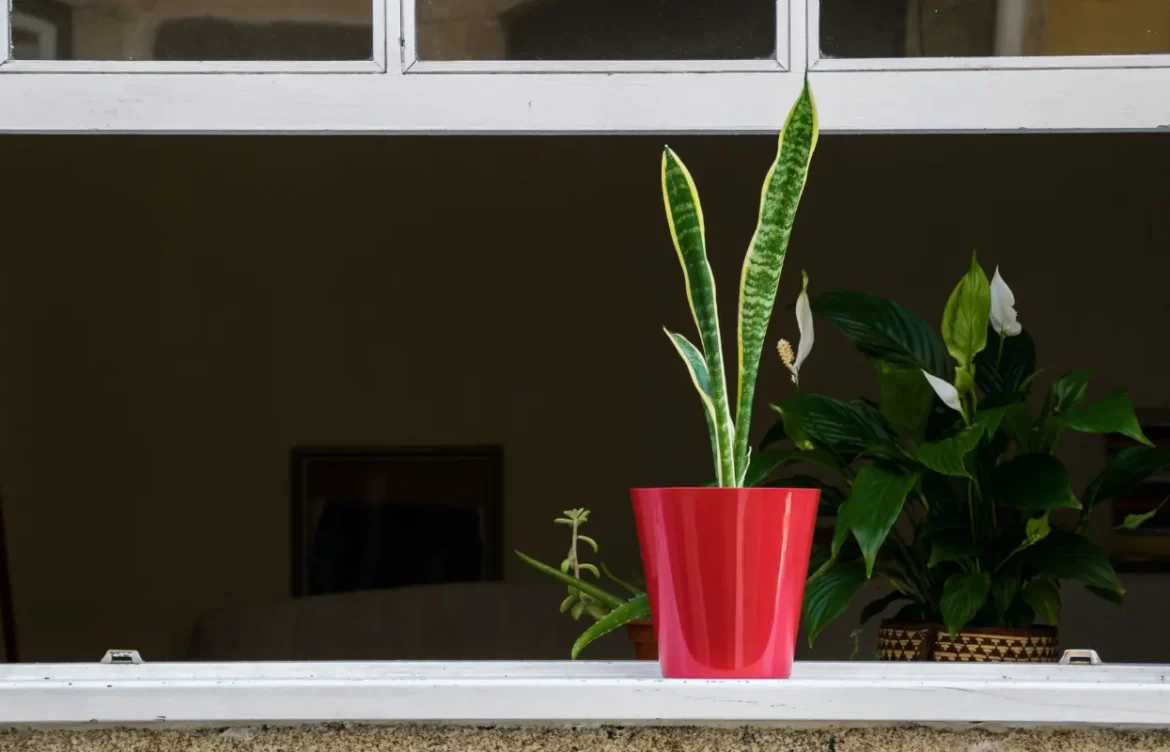
Snake Plant Disadvantages to Know Before You Buy
Snake Plants get recommended constantly, and for good reason, but no plant is a perfect fit for every home or every person. Here’s a balanced, honest look at the real downsides worth knowing before you buy one.
Toxic If Eaten by Pets or Children
Snake Plants are mildly toxic to cats and dogs, and can cause mouth irritation, drooling, or an upset stomach if chewed on or eaten. If you have a pet that regularly chews on houseplants, or small children who put things in their mouths, this is worth factoring in, or the plant should be kept somewhere out of reach.
Very Slow Growth
The same trait that makes a Snake Plant low maintenance also means it’s a poor choice if you want to watch a plant grow and change quickly. A few new leaves a year is normal, which can feel underwhelming compared to a fast-growing plant like Pothos. If part of the appeal of houseplants for you is seeing regular, visible progress, this slow pace can be genuinely disappointing rather than just a minor inconvenience.
Sensitive to Cold
Snake Plants do not tolerate cold well and can be damaged by temperatures below around 50°F (10°C). A plant left too close to a drafty window in winter, or accidentally left outdoors too late in the season, can develop soft, mushy, or discolored leaves from cold exposure.
Rarely Flowers Indoors
While Snake Plants can flower, it’s uncommon indoors and usually requires specific conditions, like being slightly rootbound and getting strong indirect light. Most people who grow one indoors will likely never see it bloom, so it shouldn’t be a plant chosen specifically for flowers.
Easy to Overwater Without Realizing It
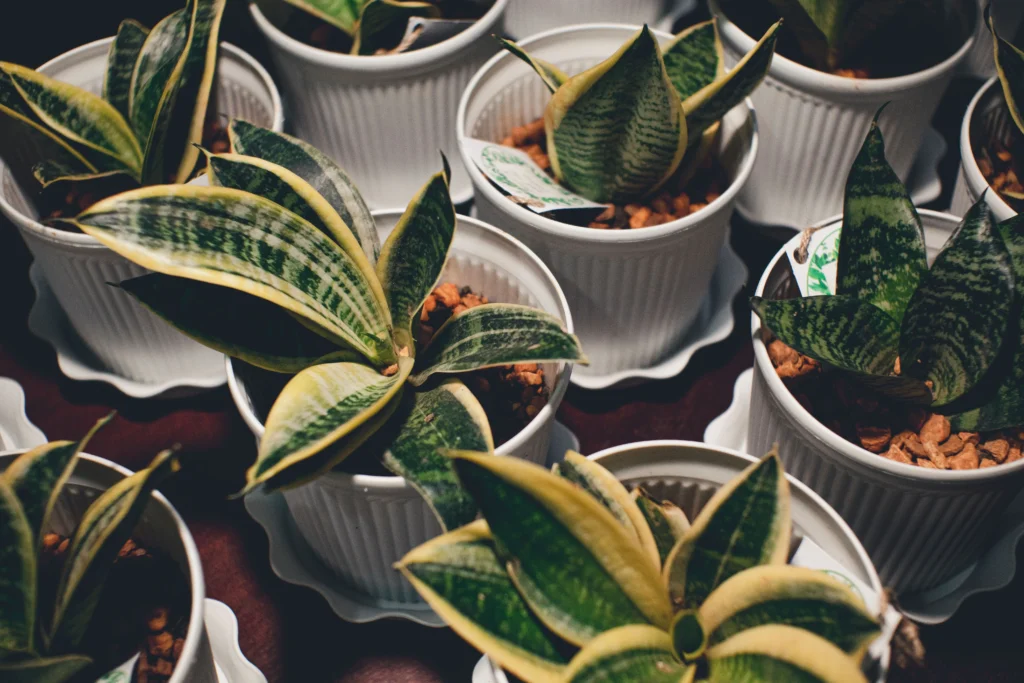
Because it looks similar to a low-maintenance succulent, new owners sometimes assume it needs a normal weekly watering schedule like other houseplants. In reality, it needs much less water than that, and this mismatch between appearance and actual care needs is one of the most common reasons new owners run into problems.
Limited Design Flexibility
Unlike trailing plants, which can be trained along a shelf or up a trellis, or bushy plants that can be pruned into different shapes, a Snake Plant’s stiff, upright leaves grow in essentially one fixed form. If you enjoy actively shaping or styling a plant over time, there’s very little to work with here beyond choosing where to place the pot.
Rare Varieties Can Be Expensive
While common varieties like Laurentii are inexpensive and widely available, some of the more unusual types, such as Black Coral or certain twisted-leaf forms, can be considerably more expensive and harder to find, particularly from specialty sellers rather than general garden centers.
Can Be Invasive Outdoors in Warm Climates
In warm, frost-free regions, Snake Plants grown outdoors can spread aggressively and are considered invasive in some areas, including parts of Florida. This isn’t a concern for an indoor houseplant, but it’s worth knowing if you’re considering planting one outside in a warm climate.
Can Attract Mealybugs Under the Wrong Conditions
Snake Plants are generally more pest-resistant than many houseplants, but they aren’t immune. Mealybugs, small white pests that cluster in the tight spaces where leaves meet the base, are the most commonly reported issue, especially on a plant that’s stressed from overwatering or kept in a low-airflow spot. They’re treatable with rubbing alcohol on a cotton swab or an appropriate insecticidal soap, but they’re worth checking for periodically rather than assuming the plant is entirely pest-proof.
Large, Mature Plants Can Be Awkward to Repot
A Snake Plant left in the same pot for many years can develop an extremely dense, tightly packed root and rhizome system that’s genuinely difficult to remove from its container, sometimes requiring the pot to be cut away entirely. This isn’t a concern for a newer plant, but it’s worth knowing that a very established one isn’t always a quick, simple repotting job.
Little Seasonal Change or Visual Variety
Because it doesn’t drop leaves seasonally, change color, or reliably flower, a Snake Plant looks essentially the same in January as it does in July. For anyone who enjoys plants that visibly shift through the seasons, this consistency can feel more static than interesting, even though the same trait is part of why it requires so little seasonal adjustment in care.
FAQs
Is a Snake Plant a bad choice for a home with a curious cat?
Not necessarily a bad choice, but it does require some precaution. Since it’s mildly toxic if eaten, placing it somewhere a cat can’t easily reach, like a high shelf, reduces the risk while still letting you keep the plant.
Why does my Snake Plant never flower even though people say it can?
Flowering indoors is genuinely rare and isn’t something most owners will see, regardless of how well the plant is cared for. It tends to happen more often when a plant is mature, slightly rootbound, and gets consistently strong indirect light — conditions that don’t line up for most home setups.
Is the slow growth a sign something is wrong with my plant?
No, slow growth is simply how this plant behaves, even under ideal conditions. If you want a plant that visibly changes week to week, a Snake Plant will likely be a frustrating choice regardless of how well it’s cared for.
Can Snake Plants survive being left outside in cold weather?
No. If moved outdoors for summer, they need to come back inside well before temperatures drop into the 50s°F (around 10°C), since cold exposure can cause lasting damage to the leaves, and a hard frost can kill the plant outright.
Does the toxicity mean I shouldn’t touch the plant with bare hands?
No, normal handling like repotting or trimming leaves is fine for people without plant-specific skin sensitivities. The toxicity concern applies to ingestion, not skin contact, though it’s still sensible to wash your hands after handling any houseplant, especially before eating.